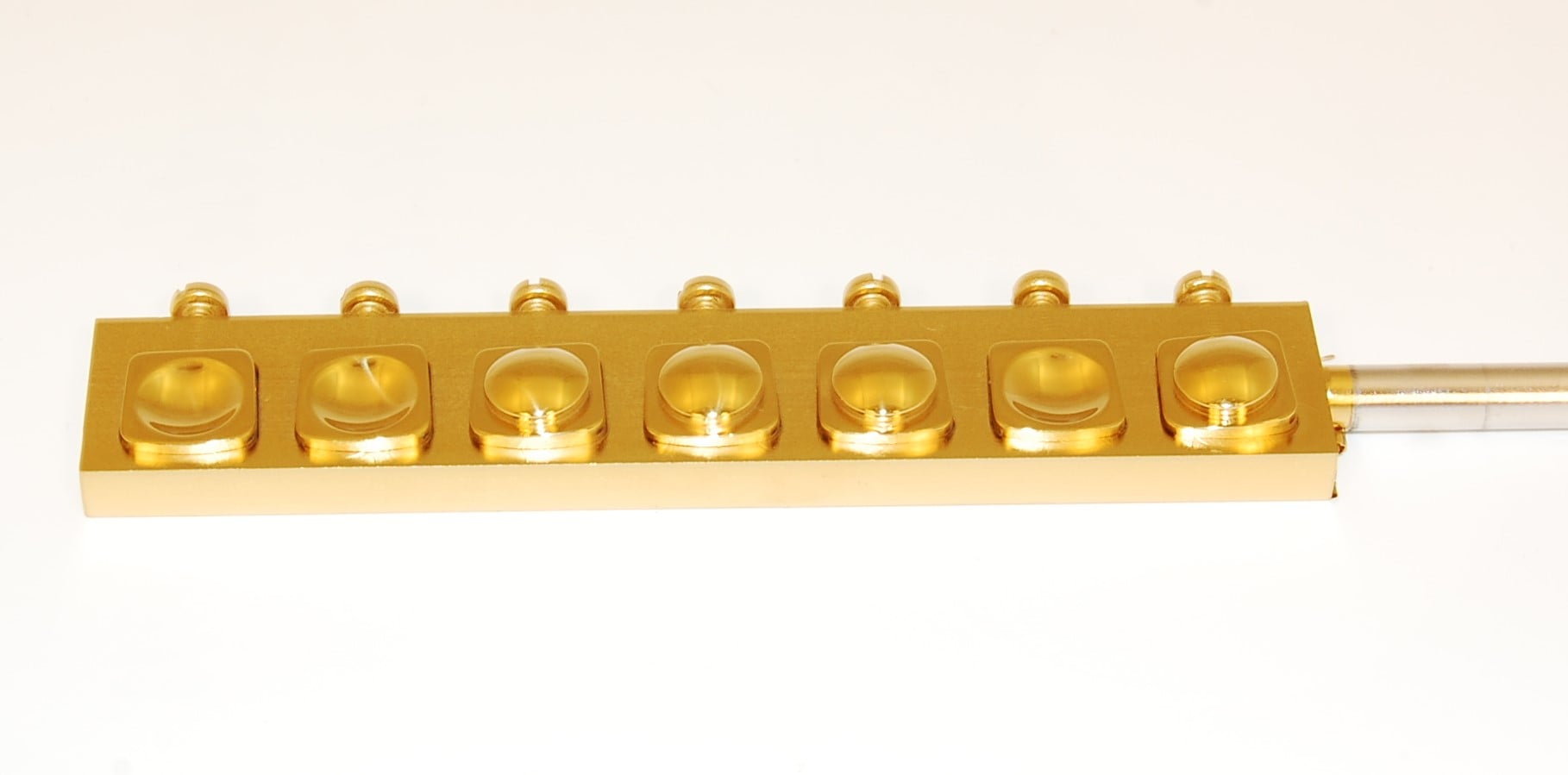
PVD coatings used in medical applications can be generally divided into 2 segments. One of them is coating of cutting tools that are used for surgical purposes and the other is coating of implant materials that are placed inside the body.
The top main advantage of applying PVD coating to medical cutting tools is that it slows down the wear rates of the tools and increases their usage lives. Another and, perhaps, the most important reason for PVD coating in these tools is that it reduces any tissue damage during surgical use. Since PVD coatings have high hardness, it prevents tool deformations that can lead to tissue damages. Moreover, since it has a low surface friction, it decreases the temperature formation during surgical use and as a result of this, tissue damages due to thermal effects is minimized. Furthermore, since its reflection is low, it provides easier and comfortable use of medical instruments by the surgeon.